VERIFIED FIXER NETWORK IN NEPAL

Hire Fixer in Nepal
Local Production & Service Support

Your premier on-ground team for official government filming permits, vetted local crew, camera gear rental, location recce, and high-altitude logistics across Kathmandu, Pokhara, Everest, and all of Nepal.

Trusted by international productions

  • Endemol Shine
  • Novo Nordisk
  • Malaika Pictures
  • SCOPE
  • 4122 Media
  • Spiegel TV
  • Mr White & Friends
  • Monster Film UK
  • Sounds True
A film crew at work on set in Nepal

Everything on the ground

One local team,
from permit to wrap

Take the whole package or the one piece you are missing. Productions arrive with their own DoP and just need permits and a driver who knows the checkpoints. We run as much or as little of the ground operation as your shoot needs.

  • Permits, government liaison and location access
  • Local crew, guides, drivers and interpreters
  • Transport, logistics and equipment support
EXPLORE SERVICES →

On the ground in Nepal

What a shoot here actually looks like

Permits cleared, gear through customs, crew at altitude and cameras rolling. A look at the productions we have run across Nepal, valley floor to high Himalaya.

END-TO-END PRODUCTION SUPPORT · 77 DISTRICTS

Pick the whole package, or one piece

Turnkey ground fixing, custom permit applications, high-altitude logistics, local technical crew, and CAAN-approved drone operations across Nepal.

01

Film Fixer & Unit Management

Single point of contact owning the ground operation from treatment review to equipment export. Handles schedule contingency, local authorities, and on-set troubleshooting.

  • Ministry Liaison & Permits
  • Real-Time Schedule Contingency
  • 100% On-Ground Accountability
Explore Fixer Specs →
02

Filming Permits & Clearances

Official permit filing via registered local entity: Ministry of Information (MoCIT), national park conservancies, drone clearances, and customs temporary import bonds.

  • MoCIT National Filming Permits
  • National Park & Heritage Passes
  • Airport Customs Gear Clearance
Explore Permits Specs →
03

Location Scouting & Recces

Technical scouting briefs with GPS coordinates, sun position tracking, 360° drone pans, and realistic access assessments for difficult Himalayan terrain.

  • Geotagged Stills & 4K Video Recces
  • Local Ward & Community Consent
  • Altitude & Power Feasibility
Explore Scouting Specs →
04

Local Crew & Technical Talent

English-speaking cinematographers, sound recordists, drone pilots, high-altitude mountain guides, and specialized field interpreters for remote regions.

  • Certified Camera & Sound Crew
  • High-Altitude Climbing Guides
  • Multi-Dialect Field Translators
Explore Crew Specs →
05

Production Logistics & 4WD

Complete movement plans covering expedition 4WD fleets, domestic flight bookings, helicopter charters, remote camp lodging, and generator power.

  • Expedition 4WD Fleets & Trucks
  • Mountain Helicopter Charters
  • Remote Off-Grid Camps & Power
Explore Logistics Specs →
06

Drone Filming & CAAN Permits

Complete aerial clearance from CAAN, Ministry of Home Affairs, and Defence. Licensed high-altitude UAV pilots with cinema FPV and heavy-lift packages.

  • CAAN & Ministry Security Clearances
  • High-Altitude Himalayan UAV Ops
  • ProRes / RAW Cinema Capture
Explore Drone Specs →

What a fixer actually covers

Plenty of productions arrive having booked transport and accommodation themselves and assume the rest follows. This is the part that does not.

What a local fixer covers compared with booking direct or using a general operator
What it takes Local fixer Booking direct General operator
Knows which permit category your project falls in Yes No Sometimes
Files the application as a registered local company Yes No Sometimes
Handles protected area and heritage permissions separately Yes No Sometimes
Negotiates access with whoever actually controls the location Yes No No
Plans the schedule around road time rather than map distance Yes Sometimes Yes
Builds acclimatisation into the shooting days Yes No Sometimes
Crew who have worked at altitude with a camera Yes No No
Clears equipment through customs on temporary import Yes No No
Tells you when your plan will not work, before you book Yes No Sometimes

Different productions, different problems

What kind of shoot is yours

A documentary and a commercial share almost nothing here beyond the weather. Each of these is what that kind of shoot actually runs into.

From a recent production

The country does
half the work

Location, light and scale you cannot build. This is a stretch of one shoot we fixed end to end, from the recce and permits through to wrap and equipment export.

See where we shoot →

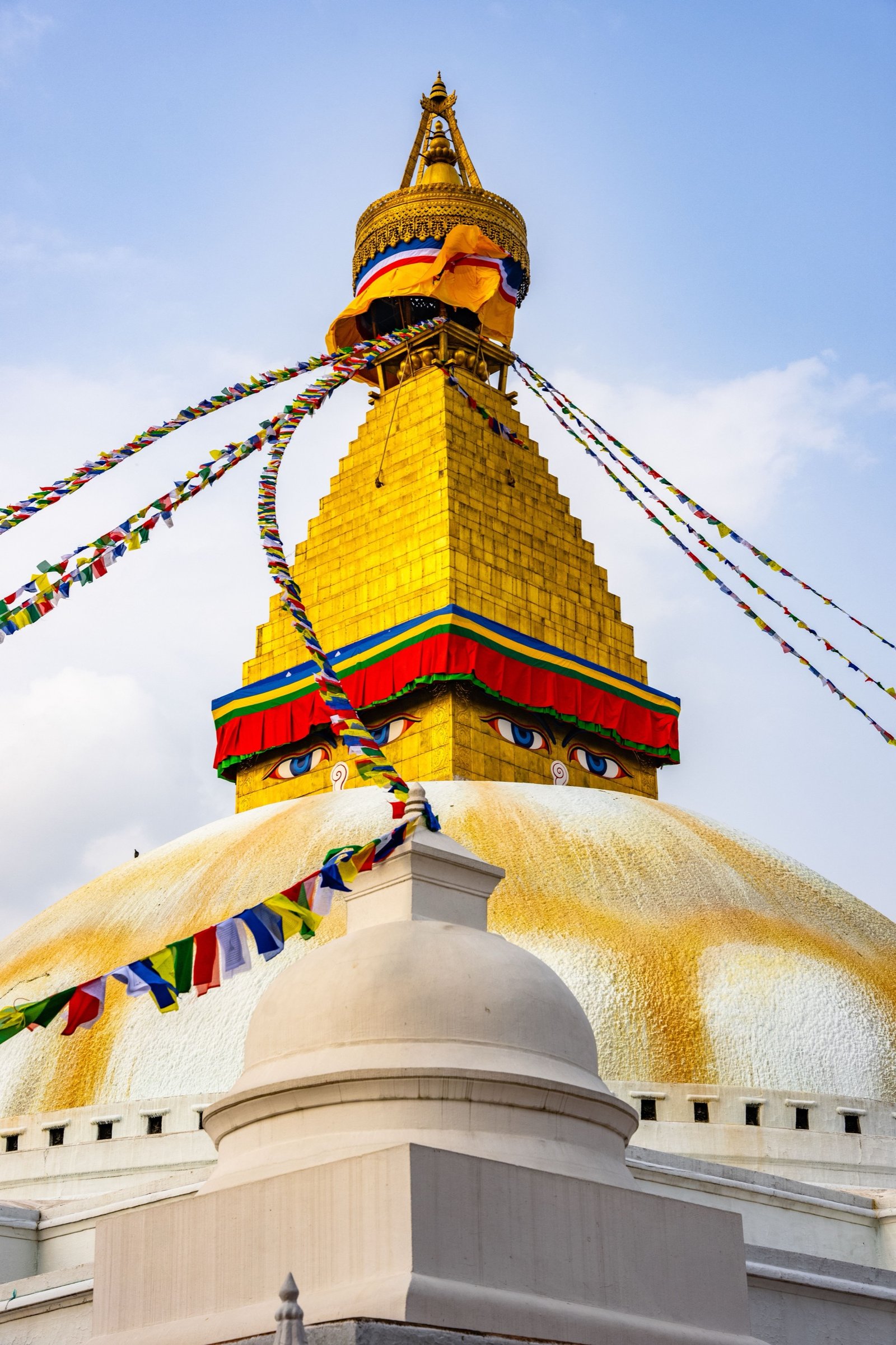
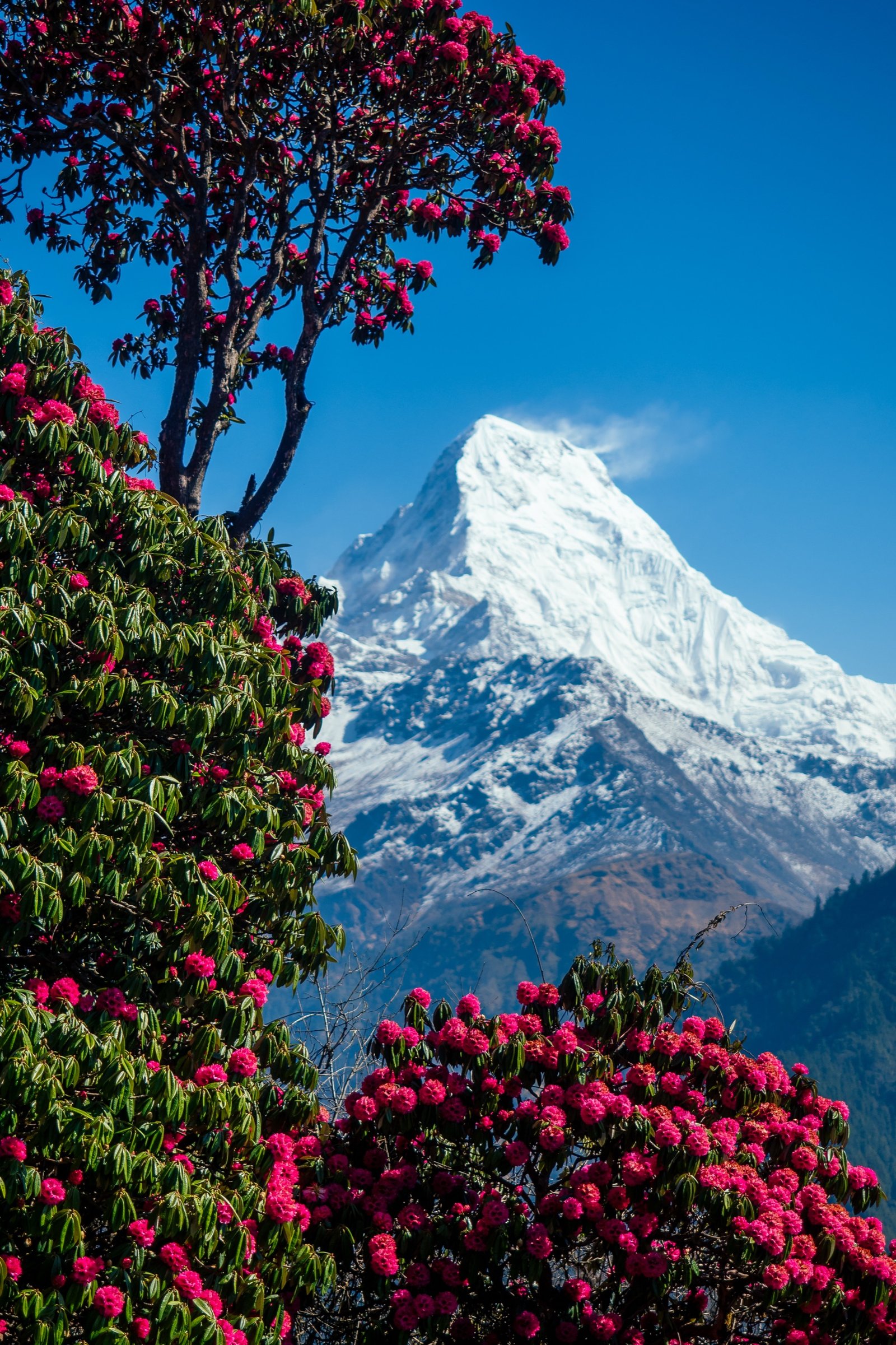
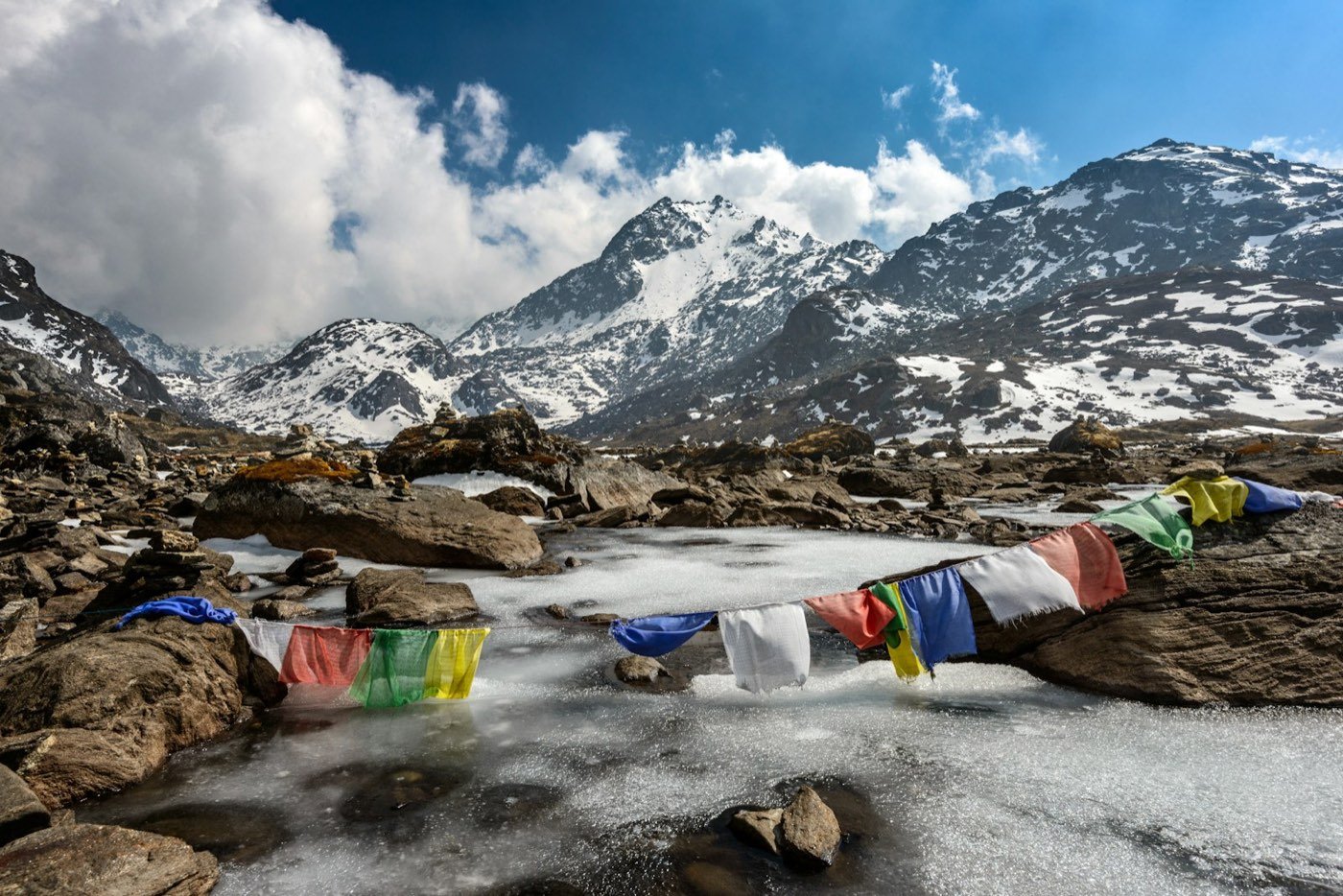
From the valley floor to the roof of the world

Kathmandu’s alleys to Everest base camp

We work the whole country, and we tell you plainly when a single schedule is trying to cross too much of it. Deciding which Nepal your film actually needs usually saves the most money.

See every region
Where productions shoot

Seven regions, one honest read

A location three hours away in the dry season can be a day and a flight in the monsoon. We plan around the ground, not the map.

All filming locations

How it runs

From brief to wrap

Four stages. The order matters more than any single one of them, because the paperwork runs in sequence and the lead times compound instead of overlapping.

  1. 01

    You send the brief

    What you are making, roughly when, how many people, and what you must come away with. A paragraph is enough to start. We would rather read a rough outline early than a finished treatment late.

    • What you are making
    • Rough dates and how movable
    • Crew size
    • Your actual constraint
  2. 02

    We tell you what is realistic

    Which locations fit the schedule, which permit category applies, what the season will do to you, and anything we think is a bad idea. In writing, before money moves.

    • Permit route identified
    • Locations assessed
    • Season risk flagged
    • Problems named early
  3. 03

    Paperwork and prep

    Applications go in, in the sequence they have to go in. Crew and vehicles are held, locations confirmed with whoever actually controls access, and you get a schedule with the weak points marked.

    • Applications filed in order
    • Crew and vehicles held
    • Access confirmed on the ground
    • Schedule with risk marked
  4. 04

    On the ground

    We run the days, deal with what changes, and keep the plan honest. Weather and permissions move. The job is absorbing that without losing the shoot.

    • Daily coordination
    • Contingency already scouted
    • Kit exported at wrap
    • Reconciled account of spend
ACCREDITED GROUND LEADERSHIP

The people on the ground

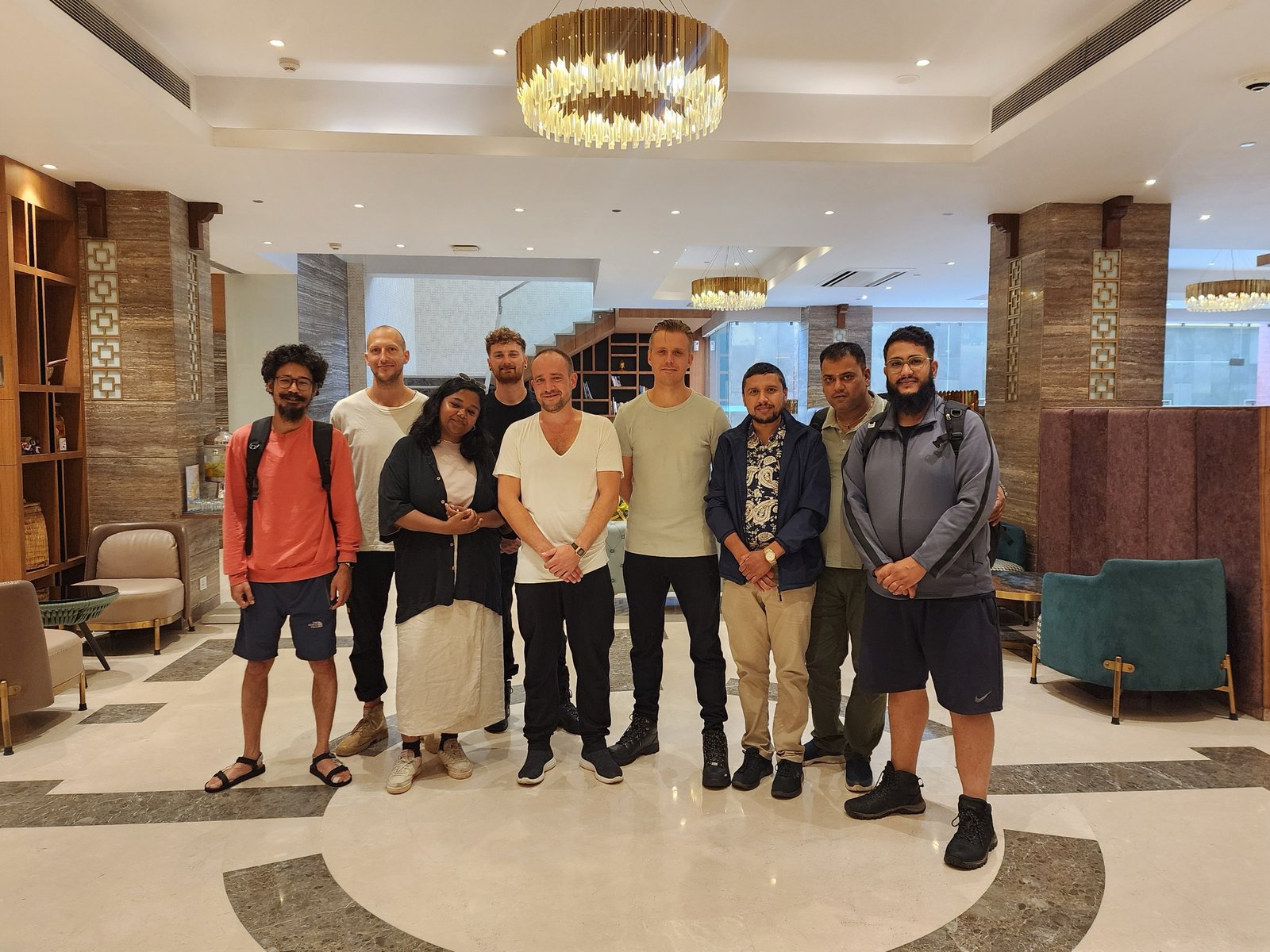
One named licensed fixer owns your production from initial brief to equipment export. Experienced, government-accredited, and supported by our full Kathmandu operations desk.

15+ Years Field Exp

Digbijaya Bharati

Founder & Managing Director

Oversees Ministry of Information clearances, inter-departmental permits, military clearances, and high-altitude logistics management for international feature films and broadcasters.

Ministry Liaison Turnkey Fixing High-Altitude Ops
Production Finance

Shree Ganesh Pradhan

CEO & Executive Partner

Finance and banking director approving multi-currency production budgets, cash disbursements in remote zones, compliance audit reports, and major studio service agreements.

Studio Contracts Production Accounting Bank Guarantees
Senior Unit Lead

Laxman Raj Poudel

Senior Fixer & Production Manager

Senior unit fixer managing customs equipment clearance at Tribhuvan Airport (KTM), 4WD convoy logistics, local ward protocols, and emergency medical evacuation plans.

Airport Customs 4WD Expedition Fleets Field Protocol
18+ Cine Credits

Radhashyam Dulal

DoP & Chief UAV Operator

Experienced high-altitude cinematographer and CAAN-licensed heavy-lift drone pilot with credits across Everest Base Camp, Annapurna Circuit, Mustang, and Upper Dolpo.

Cinema UAV Ops Alpine Cinematography Arri / RED Systems
Worth being clear about

What we will not promise

Most of what goes wrong on a Nepal shoot is outside anybody’s control. Saying so at brief stage is the difference between a schedule that survives and one that does not.

  • A permit outcome

    Approval is a government decision. We prepare the file properly and follow it up in person. Nobody controls the answer.

  • A processing time

    Lead times change without notice. We tell you the sequence and where your schedule has no slack, not a number to plan against.

  • The weather

    If you need a mountain in shot, build spare days in. Any fixer implying otherwise is selling you something.

  • A flight

    Mountain strips fly visually and in the morning. Assume one lost day and price the alternative before you need it.

  • Access to a person

    A contributor can change their mind the day before. Consent means it can be withdrawn.

  • Safety

    We describe conditions honestly and plan around them. Medical and insurance advice has to be your own.

Questions we get before a first shoot

Do we need a permit to film in Nepal?

Almost certainly yes, and usually more than one. Filming permission, national park and conservation area entry, restricted area permits for some regions, and separate approval for drone work all sit with different authorities.

Which ones apply depends on where you are going, what you are making and whether it is broadcast, commercial or press. Requirements change, so we confirm the current position for your shoot rather than working from last year’s answer.

How far ahead should we start?

Earlier than feels necessary. Permit processing is not the only clock: helicopter availability, the good weather windows and any crew worth having are all booked ahead in season.

We will not quote you a processing time as a promise, because approval sits with a government office.

When is the best time to shoot?

Late October to early December gives the most reliable clear skies and mountain visibility, which is why it is also the most contested for crew and aircraft. March to April is the other good window, hazier but quieter.

The monsoon, roughly June to September, means cloud, landslides and flights that do not go. The rain shadow north of the main range stays workable.

Can we fly a drone?

Sometimes, with approval, and not everywhere. Drone flight is separately regulated, with restrictions near airports, in national parks, close to the mountains and around anything designated sensitive. Approval is a decision and it can be refused.

Tell us early if aerials are essential, because it changes the lead time and sometimes the location.

Can you crew a shoot entirely locally?

Often, and it is usually the better answer. Local crew cost less to move, need no acclimatisation from abroad, and know how a place works. For specialist roles productions travel people in and we build the rest around them.

What does it cost?

Cost is driven by shooting days, how far from a road you need to be, whether aircraft are involved, permit categories and crew size. A three-day Kathmandu shoot and a three-day Everest shoot are not comparable numbers.

Anyone quoting a firm all-in price before reading your treatment is guessing.

Do you work outside Kathmandu?

Most of our work is outside the valley. Kathmandu is where kit clears, crew assemble and permits are filed, but the shoot is usually somewhere the road runs out.

We cover the seven regions on the site in depth, from the Terai in the south to the high Himalaya in the north, and we tell you plainly when a single schedule is trying to cross too much of that in too few days.

Can you help with permits only?

Yes. Permit support is one of the things we do on its own, not just as part of a full package. Plenty of productions arrive with their own crew and kit and need the permission chain handled and someone accountable at the checkpoints.

Tell us the shoot and we will tell you which permissions it needs and how much time to leave.

How do you handle confidential or unreleased projects?

Carefully, and as the default rather than on request. We do not publish a client or a project without explicit permission, and unreleased work stays unreleased.

Named references are provided privately, with the client’s agreement, rather than posted on the site.

What happens after we send a brief?

You get a straight read, usually in prose rather than a form letter: whether it works on your dates, what it involves, and where we think the risk is. If part of the plan will not work, that is in the first reply, not the third.

A rough outline is enough to start. It does not need to be a finished treatment.

Do you arrange insurance or fixers’ indemnity?

We are not an insurer and we do not sell cover. What we do is give you the accurate ground information your own insurer and your production’s risk assessment need: real travel times, altitude profiles, access constraints and named dependencies.

Where a shoot needs a risk assessment for a commissioner, the written plan we provide is built to support one.

Can you move fast for news and short-notice work?

Often, yes, and we say so honestly when we cannot. News and fast-turnaround jobs are a normal part of the work, and the honest answer about what is achievable on your timescale comes first.

The permission position and the season still apply, and we will not pretend a closed road or a refused approval is negotiable because the deadline is tight.

Who owns the footage and the creative decisions?

You do. We support, coordinate and arrange the ground side of a shoot. The edit, the story and the final cut are yours. We do not take a credit as a producer of your film, because that is not what a fixer is.

Our name belongs on the logistics and the access, not on your work.

Do you provide local crew you have worked with before?

Where we can, yes. Reliability at altitude and in remote country is earned on the mountain, not on a roster, so we bring back people we trust for the conditions your shoot will meet.

For specialist roles you may prefer to travel someone in, and we build the local team around them.

What if the weather or a flight ruins the plan?

We plan for it rather than against it. Mountain flights go in the morning and in weather, roads close in the monsoon, and a schedule with no slack is a schedule that breaks. We build in contingency as structure and name the dependencies before you commit.

When a day is lost to something outside anyone’s control, the question is whether the plan had room for it. Ours are built so that it does.

Can you scout or recce before we commit?

Yes. For a location nobody on the production knows, a recce is often the cheapest insurance you can buy. We can scout in person, or start with photographs and access notes before anyone flies, so a shoot day is not the first time the location is seen.

What a recce returns is a plan built on the real place at the real time of day, rather than on a reference image.

Do you handle equipment coming in and out of the country?

We prepare the temporary import side from a full, serial-numbered kit list well ahead of arrival, and we tell you what tends to draw attention, drones, transmitters and large battery counts in particular.

We cannot promise a clearance time, because that decision is customs’, but starting the paperwork early is what keeps it from holding up a shoot date.

Is a first conversation a commitment?

No. A brief is the start of a conversation, not a contract, and nothing on the site is an offer. You can ask what is possible, get an honest read, and walk away with no obligation.

If a plan does firm up into work, it is set out in writing first, so both sides know exactly what is being done.

What languages do you work in?

Enquiries and planning run in English. On the ground, the team works across the languages a shoot actually meets, and we match an interpreter to the region and the subject rather than assuming one national language covers everyone.

Nepal is home to many languages, and the right interpreter for a particular valley is a working decision, not a courtesy.

All questions
Start here

Ready when your crew is

A rough brief is enough. What you are making, roughly when, how many of you, and what you need in the can. You will get a straight answer on whether it works, and what we think the risk is.